
Almond oil is suitable for all skin types

Huile d'amande

The almond tree, from whose kernels the oil is extracted by cold pressing, is a medium-sized tree or shrub with relatively weak roots and belongs to the rose family (Rosaceae). Originally native to western and central Asia, the almond is now mainly cultivated in the Mediterranean region (Spain, Italy) and California. The positive effect of almond oil (Oleum Amygdalae) has been known for thousands of years and was already used for health and cosmetic purposes by the ancient cultures of the Greeks, Romans, Arabs and Chinese.

What exactly is in almond oil?

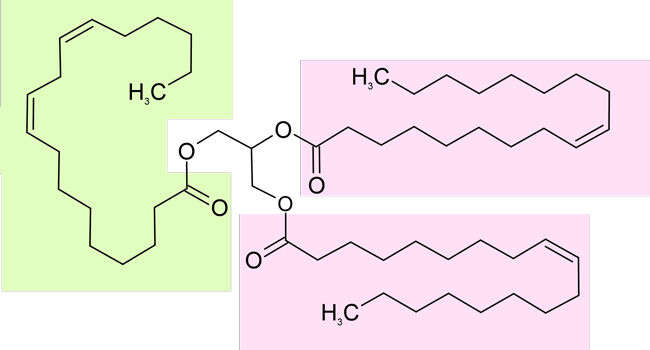
The oil is characterized by its valuable ingredients with a multifunctional effect, which Kneipp skin research greatly appreciates for cosmetics. Almond oil has a high content of (monounsaturated and diunsaturated) fatty acids. These skin-related oils are very mild and have an anti-irritant effect and are therefore very well tolerated by dry and sensitive skin. Specifically, almond oil consists of around one third linoleic acid (omega-6 fatty acid) and two thirds oleic acid (omega-9 fatty acid).¹
As an essential, diunsaturated fatty acid, linoleic acid is of central importance for the function of the epidermal barrier (skin barrier), as it is an important building block of the following skin sphingolipids: ceramide 1 [EOS], ceramide 4 [EOH] and ceramide 9 [EOP]. Ceramides are essential for an intact and, above all, resistant and stable skin barrier. Linoleic acid cannot be produced by the body itself, so a sufficient supply must be ensured to prevent dry, flaky and rough skin. As an effective active ingredient, linoleic acid can also be used to treat inflammatory skin conditions, as it has an anti-inflammatory effect via its metabolites in the skin. ²


The high proportion of oleic acid in almond oil documents a number of positive properties. For example, oleic acid is very important for maintaining the elasticity and hydration of the epidermal barrier. Furthermore, the properties of oleic acid make the skin feel soft, ensure good spreadability of the cosmetic formulation and thus improve the appearance of the skin.

Almond oil in research

Study results from Kneipp skin research show that the skin-related components of almond oil support and stabilize the structures of the skin barrier, thereby increasing the skin's resistance. When applied topically, the lipids are integrated directly into the skin barrier and thus ensure the important balance of lipids and moisture. As a result, moisture is retained for longer and transepidermal water loss (TEWL) is reduced, which is particularly soothing for rough, flaky and dry skin combined with itching.


Research results also show that almond oil protects the skin. The additional active substances vitamin E and phytosterols contained in almond oil also have antioxidant effects when applied topically. It has been shown that UV-induced structural damage to the skin is prevented and consequently the premature skin ageing process caused by light is counteracted. ⁴

To the point

In summary, almond oil not only supports central specific effects on the skin through important skin-related components, but also counteracts light-induced skin ageing through antioxidant effects. Cosmetic care products containing almond oil are very well tolerated, are suitable for all skin types and have a variety of positive effects, especially on dry and sensitive skin.

Sources:

  1. Shi Z, Fu Q, Chen B, Xu S (1999): Analysis of physicochemical property and composition of fatty acid of almond oil. Se Pu 17: pp. 506-507
  2. Schneider IM, Wohlrab W (1997): Fatty acids and epidermis. Dermatologist 48: p. 303-310
  3. Ahmad Z (2010): The uses and properties of almond oil. Complement Ther Clin Pract 16: pp. 10-12
  4. Sultana Y (2007): Effect of pre-treatment of almond oil on ultraviolet B-induced cutaneous photoaging in mice. J Cosmet Dermatol 6: p. 14-19

This might also interest you: