
For example, smells influence who we like and who we don't like. A fine nose protects us from danger, such as spoiled food or escaping gas. Scents combat stress, help us to relax or stimulate us and release new energy. Imagine a world without scents: It would probably be quite dreary and not very cheerful. Reason enough to find out more about these little wonders.

Fragrances and their effect
Aromacology
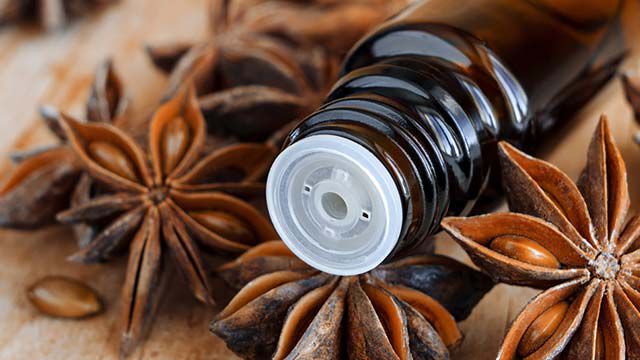
Is there a hint of cinnamon in the air - and do your thoughts immediately travel back in time to your mother's kitchen table? The smell of cinnamon stars immediately puts you in a nostalgic mood? Fragrances are great: they remind us of past loves, unforgettable vacations and days long gone. They have a very special effect - and often without us even realizing it.

Während der Mensch etwa 5 Millionen Riechzellen hat, besitzen Katzen etwa 65 Millionen davon. Hunde nehmen Düfte sogar mit rund 200 Millionen Riechzellen wahr.

Der Duft von Lavendel und der Gedanke an die Provence liegen nah beieinander.
Aromatherapy and aromacology
Fragrances are used specifically in aromacology and classic aromatherapy: a few drops of an essential oil are added to water and heated over a tea light. The aromas released in the process create a pleasant room fragrance and influence our mood. This is an effect that people have been using for centuries.
In contrast to the skin-caring effect of the so-called fatty oils of a plant, essential oils work through their scent. Natural essential oils are mainly extracted from the leaves, flowers and peels of plants. The best-known oils are those that give us relaxing fragrances: Lavender and patchouli, for example.

Düfte können uns unbewusst beeinflussen.
Fragrances arouse emotions
"I can smell that one!" You've probably heard this saying before. And this link between emotions and smells is certainly justified.
Scents act via the oldest part of the human brain, the limbic system. This is where emotions are significantly processed and controlled. Because scents, unlike visual or acoustic sensory impressions, are not pre-processed and filtered by the thalamus, they can unconsciously trigger emotions in us. For example, the smell of freshly baked cake awakens a feeling of security in many people without them always being able to clearly attribute this effect.
So much for the theory. But can the effect of scents on our emotions and mood be proven?
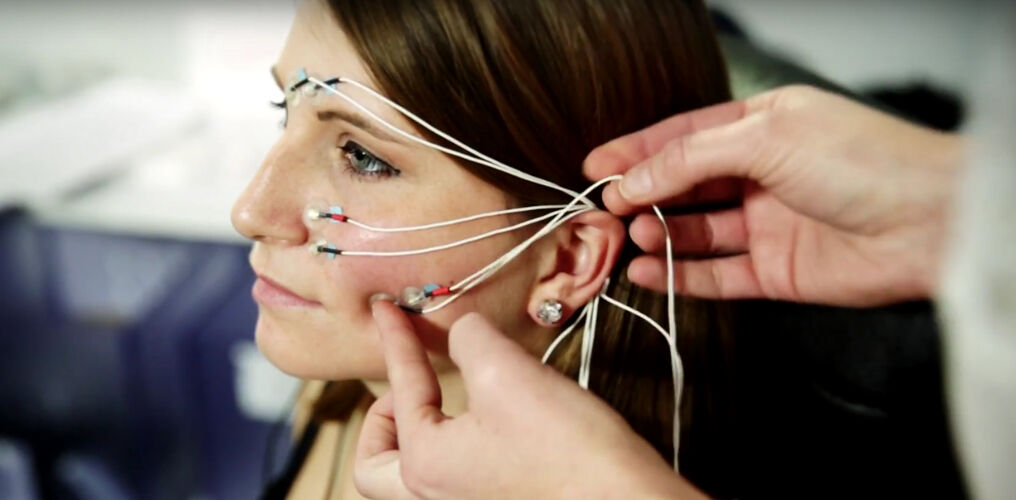
Sensoren messen die körperlichen Reaktionen bei der Produktanwendung.
Can emotions be measured?
The fragrance effect plays a major role in the development of our products. Our research and development experts have been working intensively for years on the effect of natural aromas on the human psyche.
Among other things, Kneipp regularly conducts scientific studies on the aromacological effect of cosmetic products together with the Wuppertal research institute Psyrecon, an independent institute for applied psychophysiology.
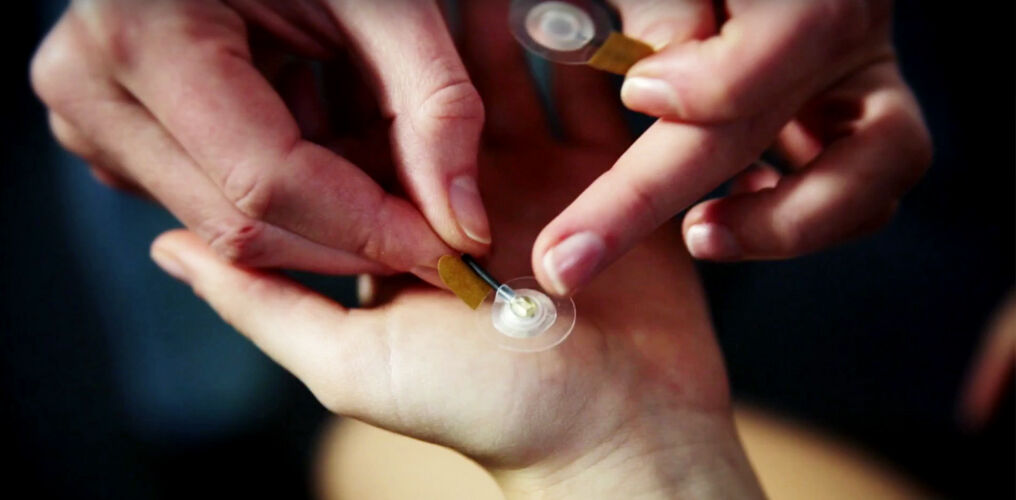
These psychophysiological studies record physical reactions that occur in the context of emotional processes. Sensors measure the body signals of volunteers - the smallest activities of the facial muscles, brain waves and, to record the strength of emotion, also the heart rate and sweat gland activity.
The measurement takes place as a reference before, during and immediately after product application, comparing different test products, formulations and Kneipp products and checking them against a control group with placebo products. The result: Kneipp works.







Kneipp works - demonstrably mood-enhancing or deeply relaxing
Kneipp has already evaluated many products using the measurement method described; for example, our bestseller, the aroma care shower Lebensfreude. The result of the aromacological study is clear: the Kneipp Vitality Shower has a measurable positive effect on mood thanks to the fresh, sunny scent of the essential oils of Litsea Cubeba and lemon.

About the development and effect of fragrances: an interview with a fragrance expert
The legendary master perfumer Edmond Roudnitska (1905-1996) was allegedly able to distinguish between over 3,000 smells. We ordinary people are usually able to distinguish around 500, which is quite an achievement - and an indication of how important our sense of smell is for our lives.
Erich Schmidt knows his way around the world of fragrances. Before his retirement, the perfumer and fragrance expert worked for many years with our development department on the use of essential oils and fragrances. He acquired his keen sense of smell as a purchaser of natural fragrances. At that time, he had hardly any technical aids at his disposal to assess their quality - apart from his nose.

Mr. Schmidt, when do we humans start smelling in the first place?
The sense of smell is already present in the womb. Preferences for later nutrition are already determined there. We absorb aromas from the amniotic fluid via our olfactory receptors. With birth and the intake of breast milk, further knowledge is added and the first environmental scents are perceived and learned. Around the 18th to 24th month, children experience a phase of neophobia, the fear of new smells and tastes - a protection against harmful foods. It is not until the age of three that we use our olfactory cells to their full extent.
Which fragrances are pleasant for us humans?
Everyone perceives scents differently. Our genetic predispositions alone can cause our olfactory impressions to differ by nuances. Due to hedonics, i.e. the individual assessment of scent quality, they sometimes even diverge widely. For example, the scent of lavender generally has a calming and harmonizing effect. However, if we have developed hedonics in the course of our lives that evaluate lavender negatively, this effect can no longer prevail.
So where do you start when creating a fragrance? What does joie de vivre smell like, for example?
The professional perfumer must never start with himself. In any case, they will never fulfill the preferences of the majority of people with a fragrance. We can only follow what is currently in fashion and is perceived positively by the majority. So it is the fresh, fruity, bright and green notes that have a stimulating and invigorating effect on us humans. A sensation that can be associated with joie de vivre.
“
Every day without an olfactory experience is a day wasted. ”
And what do we perceive as calming, relaxing fragrances?
Floral, soft and delicately woody notes are harmonizing, while tart, herbaceous and even strong woody notes have a calming effect. But due to external influences, mental stress or health restrictions, the scent that calmed me only yesterday can make me aggressive today.
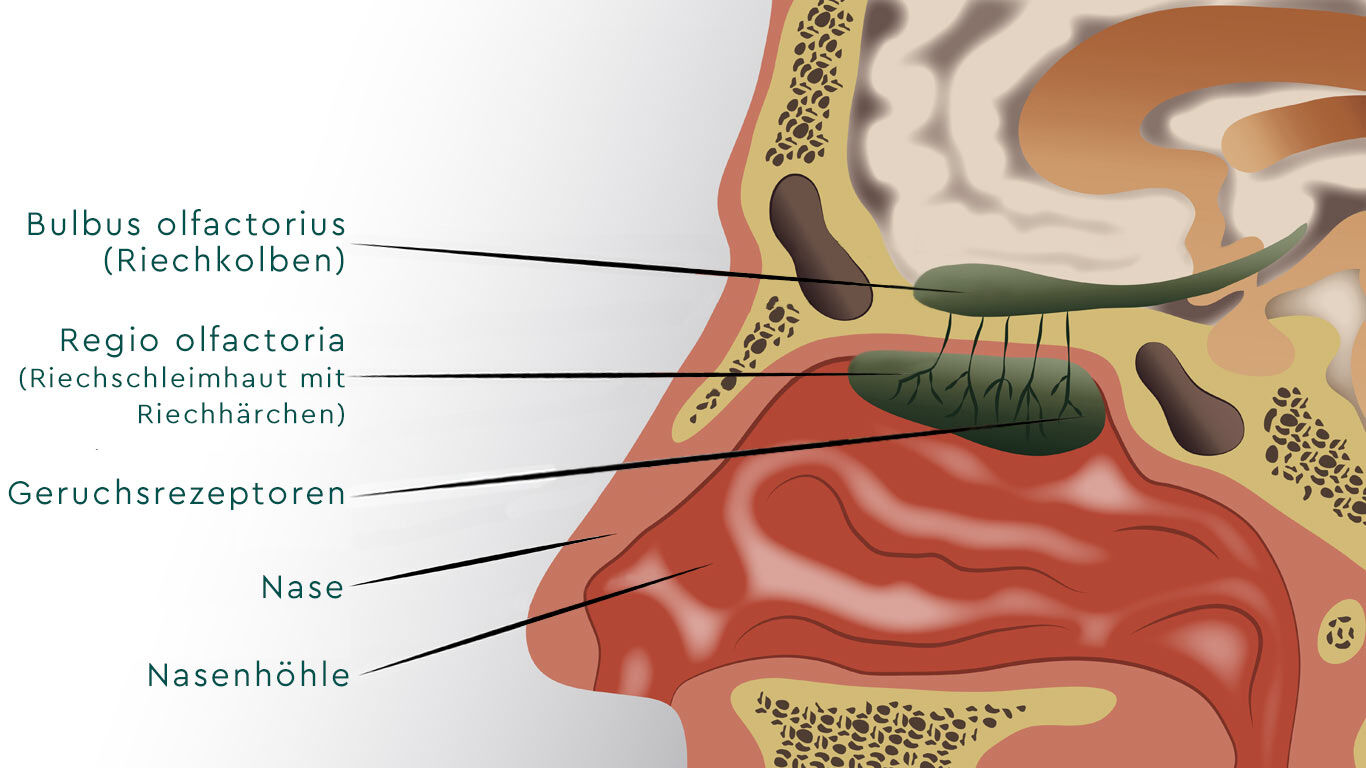
Der Bulbus olfactorius, auch Riechkolben genannt, liegt am vorderen Areal des Gehirns und ist ein Teil der Riechbahn. Diese beginnt in der Nase: Riechnerven verbinden die Riechschleimhaut in der Nase mit dem Bulbus olfactorius und damit dem limbischen System.
How does this effect come about? What happens in our body?
Fragrances are absorbed by the olfactory epithelium via the nasal mucosa and transmitted to the limbic system via the olfactory nerves and the bulbi olfactorii. This is responsible for feelings, emotions and also lower instincts. This is where scents can have a subconscious effect on people. This is why hotel foyers are scented to make guests feel comfortable; clothing stores try to prolong the time spent in the store with fragrances. However, there is one basic condition: The fragrance must be subliminal. As soon as you consciously smell it, the hedonics kick in: Like it or dislike it.
This might also interest you:



De l'arnica à la verveine citronnée... Guide Kneipp® des plantes et des herbes